Pitshanger Park upholstery cleaning and stain removal in Ealing
Posted on 07/08/2026
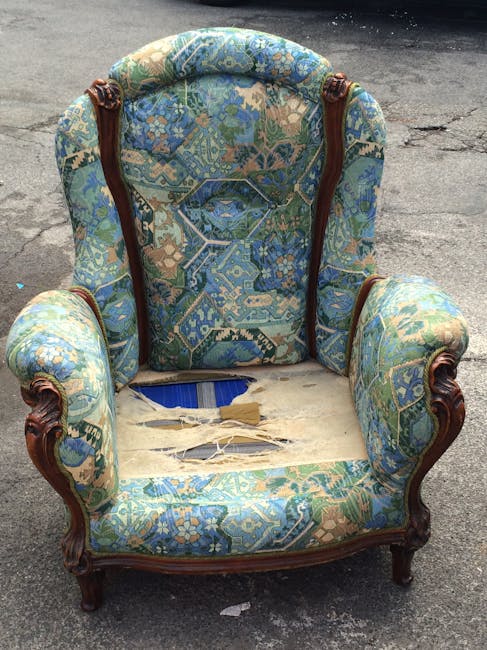
If you live near Pitshanger Park, you already know how quickly upholstery can pick up the marks of everyday life. A mug of tea on the sofa, muddy paws after a walk, crumbs from family film night, or a wine spill that looked harmless until it dried. Pitshanger Park upholstery cleaning and stain removal in Ealing is really about getting fabric furniture back to a fresh, comfortable state without damaging the material or leaving a sticky residue behind.
That matters more than people sometimes think. Upholstery holds onto dust, body oils, food marks, pet dander, and odours in a way that is easy to miss until the room starts feeling a bit dull. The good news? With the right method, most furniture can be cleaned well and stains can often be reduced significantly. In this guide, we'll walk through how upholstery cleaning works, which stains need careful handling, what to avoid, and when to call in help. Plain English, no nonsense.
Why Pitshanger Park upholstery cleaning and stain removal in Ealing Matters
Upholstered furniture is one of those things that quietly shapes the whole feel of a home. A sofa or armchair may look fine from a distance, but once the fabric starts holding onto grease, dust, and marks, the room can feel tired. In a busy Ealing home, that often happens gradually. You do not notice it in one day. Then one morning the armrest looks shiny, a cushion smells a bit stale, and a stain that was meant to be temporary has settled in for the long haul. Annoying, to be fair.
In Pitshanger Park homes and flats, there is also the practical side. Fabric types vary a lot: cotton blends, linen mixes, velvet, microfibre, wool, and synthetic upholstery all behave differently. A cleaning method that works well on one can ruin another. That is why stain removal is not just about scrubbing harder. It is about understanding the fibre, the spill, the dye stability, and how much moisture the item can safely take.
This is especially relevant if you are caring for furniture in a family home, a rental property, a small office lounge, or a property that sees frequent visitors. In neighbourhoods like Ealing, where people value a tidy, comfortable living space, upholstery maintenance is part of basic home care rather than a luxury extra. If you already keep up with your floors using carpet cleaning in Ealing, it makes sense to treat sofas and chairs with the same attention.
There is also a hygiene angle. Upholstery can trap allergens and everyday grime, and while a good clean is not a medical fix, it can make a room feel fresher and easier to live in. That little lift matters. You sit down, the fabric feels cleaner, the room smells better, and somehow the whole place breathes a bit easier. Simple, but real.
How Pitshanger Park upholstery cleaning and stain removal in Ealing Works
At its core, upholstery cleaning is a controlled process of loosening soil from fabric and removing it without over-wetting or distorting the material. The exact method depends on the furniture and the stain, but the broad steps are similar.
First comes inspection. This means checking the fabric label if available, identifying the stain type, and spotting risk areas such as loose seams, fading, or previous DIY cleaning marks. Then a suitable method is chosen. For some pieces, that may mean low-moisture cleaning. For others, hot water extraction or targeted spot treatment may be more appropriate. Not every sofa wants the same thing, and the sofa will let you know, usually by misbehaving if you get it wrong.
Stain removal is usually approached in layers:
- Dry soil removal: vacuuming loose dust, crumbs, pet hair, and grit first.
- Pre-treatment: applying a safe solution to break down the stain before agitation.
- Controlled cleaning: using the lightest effective method for the fabric.
- Rinsing or extraction: removing residue so the spot does not attract dirt again.
- Drying: managing airflow so the fabric dries evenly and does not smell musty.
That last part is where a lot of DIY jobs go sideways. A sofa that feels only slightly damp can still stay wet deep in the cushioning for hours. That creates the risk of odour, water marks, or even fabric distortion. Good upholstery cleaning is as much about what you don't do as what you do.
For delicate fabrics such as velvet or textured chenille, the process needs extra care. The nap can flatten, pile can shift, and some products can leave visible rings. If you have been looking after curtains or soft furnishings too, you may find it useful to read these velvet care strategies because the same general principle applies: protect the texture first, clean second.
Key Benefits and Practical Advantages
Good upholstery cleaning is not only about appearance. Yes, a sofa looks better when the stains are gone. But there are a few other wins that are worth saying out loud.
- Better everyday comfort: cleaner fabric feels more pleasant to use, especially on frequently used seating.
- Longer furniture life: removing grit and residues helps reduce wear on fibres.
- Odour control: food smells, pet smells, and general stale odours often improve after proper cleaning.
- Improved presentation: useful for homes on the market, rentals, guest accommodation, or customer-facing spaces.
- More confidence with guests: people notice soft furnishings, even if they do not mention it.
There is also a practical money angle. Replacing a sofa or dining chairs is expensive, and many items only need a thoughtful clean to look respectable again. That does not mean every stain is removable. Some are permanent, especially after heat has set them or after a harsh household cleaner has changed the dye. But even then, proper stain treatment often improves the result far more than a quick wipe would.
For landlords and property managers, this is especially useful during changeovers. A fresh-looking sofa can make a property feel more cared for. If you are juggling several areas of the home at once, it may be worth pairing upholstery work with end of tenancy cleaning in Ealing so the whole property is handled in one go rather than piecemeal. That tends to be less stressful. And less stressful is always a win.
Who This Is For and When It Makes Sense
Upholstery cleaning is not just for households with obvious stains. In real life, it suits a wide range of people and situations.
- Families: spills, sticky hands, snack crumbs, and general wear build up quickly.
- Pet owners: fur, scent, and paw marks can settle into fibres faster than you expect.
- Tenants and landlords: furniture condition can matter at check-out, and presentation matters in listings.
- Homeowners hosting guests: if friends are coming over, a cleaner sofa quietly helps the whole room.
- Small businesses: waiting areas, staff rooms, and client seating all benefit from regular care.
There are a few signs it is probably time to act:
- the fabric looks dull even after vacuuming
- there is a persistent smell you cannot quite place
- a stain has spread or darkened over time
- the arms, seat fronts, or headrest areas feel greasy
- you are preparing the property for sale, rent, or a big family event
That last one is easy to overlook. If you are getting ready for visitors or trying to improve a room before photographs, upholstery can make a surprisingly large difference. It sits at eye level. People notice it immediately, even if they do not say so. Local life in Ealing has a lot of those moments, actually, whether it is a dinner party, a school visit, or a quieter Saturday with coffee and the papers.
If you are interested in the wider local context, the article Why live in Ealing: a local's view gives a nice sense of the area's everyday rhythm, while Fall in love with Ealing captures a broader picture of why people take pride in keeping their homes in good shape here.
Step-by-Step Guidance
If you want a practical framework for handling upholstery cleaning and stain removal, this is the part to bookmark. It is not glamorous, but it works.
- Identify the fabric. Check the care label if there is one. Look for clues such as weave, pile, and whether the material is delicate or robust.
- Test before treating. Always test a cleaner on a hidden patch. Even plain-looking fabrics can react in odd ways. Fabric chemistry has a sense of humour, apparently.
- Vacuum thoroughly. Remove crumbs, dust, pet hair, and grit from seams and cushions before adding any moisture.
- Assess the stain type. Food, oil, drink, ink, mud, makeup, and pet accidents all need different handling.
- Blot, do not rub. Press with a clean cloth to lift liquid. Rubbing can spread the stain and rough up the fibre.
- Apply the right treatment. Use a fabric-safe spot treatment or a professional method suited to the material.
- Work from the outside in. This helps stop the mark from spreading into a larger halo.
- Remove residue carefully. Residue can attract more dirt later, so a proper rinse or extraction step matters.
- Dry with airflow. Open a window if appropriate, use ventilation, and let the item dry naturally without overheating it.
- Finish with a final check. Look at the piece in daylight if you can. Evening light can hide rings and patches.
A small but useful point: if a stain is old, do not assume the first pass failed. Some marks lighten in stages as layers of residue are removed. On the other hand, if the stain is dye-based or heat-set, further cleaning may not fully remove it. A careful professional will tell you that straight rather than promising miracles. That honesty matters.
Expert Tips for Better Results
There are a few habits that make upholstery cleaning noticeably better. They are simple, but they separate a decent result from a frustrating one.
- Deal with spills quickly. Fresh stains are far easier to lift than dry ones.
- Use as little liquid as possible. Over-wetting can leave rings or damage padding.
- Think about the whole piece. Cleaning only one obvious stain can leave the rest of the sofa looking patchy by comparison.
- Check for hidden colour transfer. Bright fabrics, patterned cushions, and mixed materials need caution.
- Keep traffic areas maintained. Arms, headrests, and seat fronts usually need the most attention.
One thing people often underestimate is how much household product residue can make fabric look worse over time. If a sofa has been spot-cleaned repeatedly with supermarket sprays, the cleaner itself may be part of the problem. You may see stiff patches, water marks, or a slightly grimy shine that does not budge. That is a clue, not a failure. It simply means the fabric needs a more controlled reset.
Another tip: if you are dealing with velvet or another pile fabric, always brush in the right direction once dry. It sounds almost too simple, but it restores a better finish. Tiny detail, big visual payoff.
And yes, if the room still smells vaguely of old coffee after you clean, you are not imagining it. Odour can linger in the padding and underlay long after the visible stain has gone. That is why proper extraction and drying make such a difference.
Common Mistakes to Avoid
Let's face it: most upholstery damage from cleaning happens because someone was trying to be helpful. A bit too helpful, maybe. These are the common mistakes that cause the biggest headaches.
- Scrubbing aggressively: this can push the stain deeper and fray delicate fibres.
- Using the wrong cleaner: bleach, strong detergents, and random kitchen products can cause permanent marks.
- Skipping the fabric test: a hidden patch takes a minute to check and can save a lot of regret.
- Soaking the fabric: more water is not better if the filling underneath stays damp.
- Leaving residue behind: sticky cleaner can attract more dirt quickly.
- Ignoring the stain source: if the cause is still present, the mark may return.
There is also the classic mistake of waiting too long. A fresh red wine spill is one thing. A red wine spill that has been warmed, dried, re-wetted, and sat under a cushion for two weeks is a different story entirely. Not hopeless, necessarily. Just much trickier.
For home and rental settings in particular, do not forget the surrounding surfaces. Upholstery cleaning often makes sense alongside general house care, and if you are already planning a broader tidy-up, house cleaning in Ealing W5 can help you think about the property as a whole rather than one room at a time.
Tools, Resources and Recommendations
You do not need a van full of equipment to care for upholstery properly, but the right tools help a lot. For routine maintenance and light spot treatment, a sensible kit usually includes the following:
- a vacuum cleaner with an upholstery attachment
- clean white microfibre cloths
- a soft brush for dry debris
- fabric-safe spot treatment suitable for your material
- a small bowl of clean water for controlled blotting
- an absorbent towel for drying support
For heavier soiling or multiple stains, professional-grade extraction and fabric-safe pre-sprays can achieve a more even finish. The key is matching the method to the upholstery rather than forcing one routine onto every sofa in the room. If you are comparing service options, it is also sensible to look at the provider's wider process and service scope, such as the information found on services overview and the practical guidance on upholstery cleaning in Ealing.
For customers who care about clear expectations, there is real value in checking how estimates are handled before booking. Transparent pricing, payment security, and policy details are boring until they are not. Then they matter a lot. You can review pages like pricing and quotes and payment and security to understand how a company frames those basics. It is not flashy, but it builds confidence.
And if you are researching the business itself, the pages on about us, insurance and safety, and complaints procedure are the kind of details a careful customer should not skip. Good service is not only about a clean sofa. It is about trust.
Law, Compliance, Standards, or Best Practice
For upholstery cleaning, the most relevant guidance is practical best practice rather than a single legal rule. In the UK, cleaners and property owners are expected to work safely, use products appropriately, and avoid causing avoidable damage. That sounds obvious, but it is worth saying plainly.
Good practice usually means:
- following the fabric care instructions where available
- using suitable cleaning agents for the material and stain type
- avoiding excessive moisture that may damage filling or backing
- ventilating the area during and after cleaning
- managing electrical equipment safely around moisture
For commercial or shared spaces, basic health and safety expectations become even more important. Wet floors, power cables, and cleaning products all need sensible handling. If you are arranging work in a business setting, the principles set out in a provider's own health and safety policy can tell you a lot about their approach, even before a visit is booked.
Privacy and data handling may seem unrelated to sofa cleaning, but they matter if a company collects customer details, access notes, or payment information. That is why documents such as privacy policy, terms and conditions, and cookie policy are worth a quick read when you are deciding who to trust. No drama, just due diligence.
Best practice, in short, is careful, measured, and honest. If a stain is likely permanent, say so. If a fabric needs a gentler approach, use it. That straightforwardness is better than overpromising every single time.
Options, Methods, or Comparison Table
Different upholstery jobs call for different methods. Here is a simple comparison to help you think through the choice.
| Method | Best for | Advantages | Watch-outs |
|---|---|---|---|
| Vacuum and dry maintenance | Routine upkeep, dust, crumbs, pet hair | Quick, low risk, good for weekly care | Will not remove set stains or deep odours |
| Spot treatment | Fresh spills, small isolated marks | Targeted and efficient | Can cause rings if overused or poorly rinsed |
| Low-moisture cleaning | Delicate or moisture-sensitive fabrics | Reduced drying time, lower saturation risk | May be less powerful on heavy soiling |
| Hot water extraction | Durable upholstery with heavier build-up | Deep clean and strong soil removal | Not suitable for every material |
| Professional stain treatment | Complex stains or mixed-fibre furniture | Better control and better chance of an even finish | Some stains may still remain partially visible |
If you are unsure which route suits your furniture, a practical rule is this: the more delicate the fabric, the more cautious the method should be. No heroic scrubbing. No kitchen experiments. Just a sensible match between material and technique.
Case Study or Real-World Example
Picture a family sofa in a Pitshanger Park living room after a fairly normal Saturday, the kind with snacks, a glass of juice, a dog pacing hopefully near the kitchen, and someone balancing on the armrest because the remote has disappeared into the cushions again. By Sunday morning, there is a faint juice stain on one seat, greasy marks on the arm, and the whole thing looks a little flat.
The first instinct is usually to grab a cloth and rub at the mark. That often makes the spot wider and pushes the colour deeper. A better approach is to blot the spill, vacuum the debris, identify the fabric, and treat the stain gently before cleaning the rest of the sofa evenly. If the furniture is cleaned in sections without attention to blending, the result can look patchy. That is one of those details people only notice after the job is done, which is why it matters.
In a real-world setting, the best outcome often comes from combining spot work with an overall refresh. The visible stain may reduce significantly, the seat cushions look brighter, and the room smells cleaner without feeling overly wet. The family then keeps up with vacuuming and prompt blotting, which means the sofa stays presentable for longer. Nothing magical. Just good process.
That same logic applies in lettings and sales too. A cleaned sofa can help a room photograph better and feel more welcoming during viewings. If the property is being prepared for market, it may be worth reading Ealing property sales tips or Ealing real estate investment tips for the wider presentation context. Soft furnishings are only one part of the picture, but they do pull their weight.
Practical Checklist
Use this quick checklist before you start treating upholstery stains or booking a service:
- Check the fabric care label or manufacturer guidance.
- Identify the stain type as best you can.
- Vacuum the full piece, including seams and cushion gaps.
- Test any treatment on a hidden spot first.
- Blot, do not rub.
- Avoid soaking the fabric or padding.
- Keep airflow moving during drying.
- Inspect the result in daylight if possible.
- Ask whether the stain may be permanent before expecting a full removal.
- Decide whether the item needs a one-off refresh or a wider home clean too.
Expert summary: The best upholstery cleaning results come from matching the method to the fabric, treating stains early, and keeping moisture under control. That sounds simple because it is simple, but doing it carefully is what makes the difference between a refreshed sofa and a disappointed shrug.
Get a free quote today and see how much you can save.
Conclusion
Pitshanger Park upholstery cleaning and stain removal in Ealing is not just about getting rid of a visible mark. It is about preserving the look, feel, and comfort of the furniture you use every day. A clean sofa lifts the whole room. A well-treated stain stops becoming a permanent reminder of one slightly chaotic evening. And a properly maintained upholstered piece lasts longer, which is better for your home and your wallet.
The main thing is not to rush. Identify the fabric, choose the right method, avoid harsh scrubbing, and pay attention to drying. If the job is delicate or the stain is stubborn, careful professional treatment is usually the safer route. That is especially true for mixed fibres, velvet, older furniture, or items with previous DIY cleaning damage.
In a neighbourhood like Pitshanger Park, where homes are lived in properly and not just looked at, taking care of soft furnishings is part of taking pride in the place. And honestly, there is something satisfying about sitting back on a sofa that feels genuinely clean. Small thing, big difference.