Stain Removal in W5: Local, Practical Help for Homes and Businesses
If you are looking for stain removal in W5, you are probably dealing with more than a small blemish. A mark on a carpet, sofa, dining chair, office floor, or mattress can change the feel of a room very quickly. In a busy part of West London like W5, where family homes, period properties, flats, serviced apartments, shops, and offices all sit side by side, stains are part of real everyday life. Spills happen after school runs, during dinner with friends, in busy reception areas, and in commercial spaces that see constant foot traffic. The good news is that many stains can be treated effectively when they are handled properly and promptly.
Our local stain removal service is designed for people who need a sensible, reliable solution rather than a one-size-fits-all approach. Different surfaces and different soils need different methods. A red wine spill on wool carpet is not the same as coffee on a fabric armchair, and grease on an office chair needs a different treatment than mud tracked into a hallway. In a neighbourhood like W5, where properties can range from Victorian terraces and converted flats to modern apartments and busy retail units, the right care can make all the difference.
Whether you are trying to recover a favourite sofa, refresh a rental property before new tenants arrive, or restore a commercial waiting area after daily use, professional stain treatment can save time, reduce stress, and help protect the value and appearance of your interiors. If you need stain removal in W5, a local team can assess the material, identify the stain type, and recommend the safest route forward.
Why local stain removal matters in W5

Choosing a local service is not only about convenience. It is also about understanding the types of properties and day-to-day challenges common in the area. W5 includes a mix of family homes, basement flats, top-floor apartments, offices near transport links, hospitality spaces, and retail premises. Access can be tight, parking may be limited, and schedules are often busy. A local team that regularly works in the area is better placed to plan around those realities and arrive prepared.
There is also the matter of the stain itself. Some stains set quickly, while others spread if treated with the wrong product or too much moisture. Wine, tea, coffee, sauces, makeup, ink, pet accidents, and general grime can all react differently to fibres and finishes. For this reason, local stain specialists often begin with a careful inspection rather than rushing into treatment. That approach helps avoid damage, colour loss, residue build-up, or fibre distortion.
Another benefit of working locally is flexibility. If a stain is in a high-traffic area, such as a hallway carpet or a commercial reception floor, timing matters. A nearby service can often help coordinate around work hours, school routines, landlord inspections, or customer opening times. For many customers searching for stain removal W5, that practical support is just as important as the end result.
What stain removal services can help with

Stain treatment can be used on a wide range of surfaces, and the best method depends on the material and the cause of the stain. On fabrics, the aim is usually to lift the contamination without spreading it deeper into the fibres. On hard floors or counters, the focus may be on removing residue without dulling the finish. A good local service should explain what is realistic, what is safe, and what kind of improvement you can expect from the treatment.
Typical stain-related jobs in W5 include:
- Carpet stain removal for wine, coffee, tea, juice, mud, pet marks, and food spills
- Upholstery stain cleaning for sofas, armchairs, dining chairs, headboards, and fabric stools
- Mattress stain treatment for sweat marks, drink spills, and accidental contamination
- Rug stain removal for delicate, patterned, wool, or synthetic rugs
- Commercial spot cleaning for offices, waiting rooms, shops, and hospitality spaces
- End-of-tenancy stain treatment to improve presentation before check-out or new occupancy
In many cases, customers also ask for help with stains that have been there for some time. Older marks can be more challenging, but they are not always impossible to improve. A professional can often reduce their visibility significantly, even if complete removal is not guaranteed. Honest advice matters here: it is better to know what can be done safely than to risk permanent damage from an overly aggressive attempt.
Common stain types we see in W5 homes and workplaces
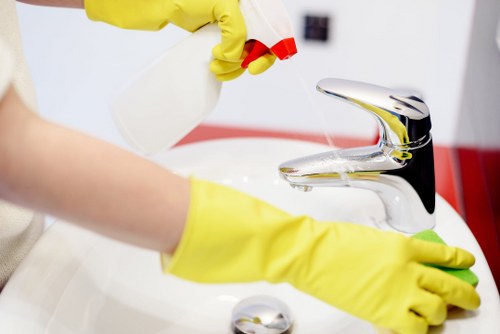
Different stains behave in different ways. A fresh spill can often be treated more effectively than a dried-in mark, but the type of stain also matters. Protein-based stains, for example, may need cooler methods and careful product selection. Grease and oil can cling to fibres and attract dirt. Dye-based stains can be especially stubborn if they have been left too long or exposed to heat. Understanding the nature of the stain is a major part of successful treatment.
Here are some of the more common stain categories local customers ask about:
- Food and drink stains - coffee, tea, wine, sauces, curry, juice, and soft drinks
- Grease and oil marks - cooking spills, cosmetics, hand oils, and workshop-related dirt
- Pet stains - urine, vomit, muddy paw marks, and odour-related contamination
- Ink and dye stains - pen marks, marker stains, and transfer from fabrics or packaging
- Outdoor soils - mud, grass, road dust, and grit brought in from the street
- General traffic marks - darkening around entrances, seating areas, and corridors
It is worth noting that some stains are not just visible marks but also leave behind odour or residue. In those cases, stain removal may need to be combined with deeper cleaning or targeted deodorising. This is especially relevant for families with pets, landlords preparing a property, or businesses that want to maintain a fresh environment for staff and visitors.
How the stain removal process works
A well-managed stain removal service should feel straightforward from the customer’s point of view. The process usually starts with an assessment of the stain, the surface, and the history of the mark. If a sofa has already been treated with household products, that needs to be considered. If a carpet has delicate fibres or a colour-sensitive dye, the cleaning method must be chosen carefully. In other words, success often depends on preparation and attention to detail rather than simply applying a stronger product.
Step-by-step service approach
For many W5 customers, the process follows a sensible sequence:
- Inspection: identify the stain type, fabric, fibre, and any previous treatment
- Testing: check for colour fastness and surface sensitivity where needed
- Pre-treatment: apply suitable solutions to loosen the stain and break down residue
- Agitation or dwell time: allow the treatment to work without forcing the material
- Extraction or blotting: lift away the loosened soil carefully
- Rinse or neutralise: remove product residue where appropriate
- Final review: check the result, explain aftercare, and suggest any follow-up if needed
This careful method helps avoid common mistakes such as over-wetting, spreading the stain, rubbing fibres, or leaving sticky residues that attract dirt later. When you are choosing a service for stain removal in W5, it is sensible to ask how the treatment will be matched to the material rather than assuming every surface can be treated in the same way.
What is included in a local stain removal service

Customers often want to know what they are actually getting when they book stain treatment. A good local service should be clear about what is included, what may need extra attention, and what the likely outcome is based on the item’s condition. That kind of clarity helps homeowners, tenants, landlords, and business owners make informed decisions.
Depending on the job, service features may include:
- Assessment of the stained area and surrounding material
- Identification of likely stain type where possible
- Suitable stain-specific pre-treatment
- Careful cleaning of the affected area
- Spot rinsing or extraction to reduce residue
- Advice on drying and aftercare
- Optional treatment of adjacent traffic lanes or mark-prone spots
For commercial premises in W5, this can also mean working around business hours, protecting walkways, and focusing on high-visibility areas such as reception zones, meeting rooms, waiting areas, or customer seating. For residential customers, it may mean tackling dining room chairs, nursery carpets, hallway runners, or a single treated patch that stands out against an otherwise clean room.
It is always better to address a stain sooner rather than later. Even so, if the mark has been there a while, it may still be worth seeking advice before trying to hide or scrub it away. The wrong approach can make the problem more visible or harder to remove.
Why W5 properties often need specialist attention
Homes, rentals, and commercial spaces each have different needs
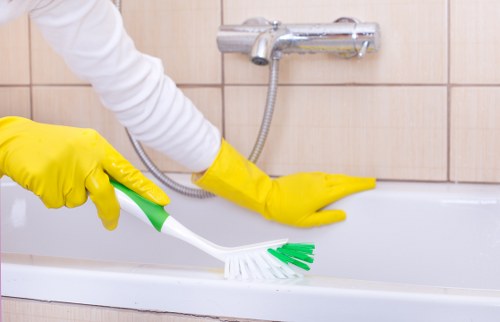
W5 contains a wide variety of property types, and that diversity affects how stain removal should be handled. Older properties may have wool carpets, natural fibre rugs, or upholstery that requires a gentler process. Flats and apartments may have access restrictions, narrow stairways, or limited space for equipment. Family homes often need treatment for everyday spills and pet-related marks. Meanwhile, commercial sites may need efficient work that minimises disruption to staff and customers.
In rental properties, presentation matters because stains can affect how a home is viewed at inspection or handover. In offices and clinics, visible marks may affect the professional appearance of the space. In cafés, salons, and customer-facing businesses, the impression created by seating and flooring can influence how comfortable people feel in the environment. For all of these reasons, stain removal in W5 is often about more than a single mark; it is about restoring confidence in the whole space.
Local knowledge also helps with access and logistics. Parking near some W5 streets can be challenging, loading may need planning, and buildings may have shared entrances or timed access arrangements. A nearby team is better positioned to work around those practical details and keep the appointment smooth. That saves time for the customer and helps the work go ahead with less disruption.
How to prepare for your appointment
Good preparation can make the service more efficient and may improve the outcome. You do not need to do anything complicated, but a few simple steps can help the technician get to work quickly and safely. If you are arranging stain removal W5 for your home or business, it is helpful to think about access, the item involved, and what has already been tried on the stain.
Preparation checklist
- Point out the stain location clearly before the work begins
- Let the technician know what caused the stain, if you know
- Share any previous cleaning products or DIY methods used
- Move fragile items from the immediate area if possible
- Ensure access to the room, building entrance, or parking arrangement is sorted in advance
- Keep pets and children safely away from the treatment area while work is underway
- Be ready to ask questions about drying time and aftercare
If you are a landlord or property manager, it can also help to photograph the condition before treatment for your own records. If you are a business owner, it may be useful to schedule the appointment at a quieter time of day so the area can dry without interruption.
Tip for stubborn marks
Do not scrub aggressively. Blotting, patience, and the right treatment are usually safer than rubbing, which can push the stain deeper or roughen the surface. If a stain has already been treated unsuccessfully at home, mention that early so the approach can be adjusted.
Pricing factors: what affects the cost of stain removal?
While exact prices depend on the job, there are clear factors that usually influence the quote. A transparent service should be able to explain these in plain language. This helps customers understand why one stain may be straightforward and another may require more time, skill, or equipment.
Common pricing factors include:
- Type of stain: simple fresh spills are usually easier than set-in dye or oil stains
- Size of the affected area: a small spot is different from a larger patch or multiple stains
- Material: carpets, wool rugs, delicate fabrics, and leather all need different methods
- Age of the stain: older marks can require repeated treatment or more careful handling
- Access: stairs, parking limitations, or restricted entry can affect job planning
- Commercial requirements: out-of-hours work or larger areas may need a tailored approach
If you are comparing services, focus on whether the provider explains the process clearly and identifies any likely limitations up front. A reasonable quote should reflect the actual job rather than relying on assumptions. For many customers in W5, the value lies in knowing the stain will be handled properly, with care taken not to damage the surrounding area.
Why choose a local company for stain removal in W5
There are several reasons local customers prefer a nearby team rather than a distant provider. The first is responsiveness. When a spill happens, especially on a carpet or upholstered piece you use every day, you want someone who understands the local area and can arrange a practical appointment. The second is familiarity. A company that regularly works in W5 is more likely to understand the kinds of surfaces, access issues, and customer needs common in the area.
Another reason is accountability. A local team values repeat custom from households, landlords, offices, and independent businesses. That often encourages clear communication, punctuality, and a more personal approach. It also means they are used to handling different types of job: a single dining chair in a flat, several office carpets after a busy week, or a hallway runner in a family house near local transport routes.
Customers often appreciate the combination of professional treatment and practical advice. Knowing how to care for the area after the job, when to walk on it, and what to avoid can help protect the result. If you need stain removal in W5, that kind of support can be just as valuable as the cleaning itself.
Areas covered around W5
Nearby neighbourhoods and common service settings
W5 covers a busy and varied part of West London, so stain-related work can come up in many different environments. Local customers may be in residential streets, apartment blocks, shop units, office buildings, professional practices, or hospitality venues. A service that covers the area broadly can often help customers in nearby locations too, especially when the job is time-sensitive or linked to a move, event, or commercial opening.
Common nearby settings include:
- Family homes and maisonettes
- Converted flats and managed apartments
- Offices and shared workspaces
- Shops and customer-facing premises
- Waiting rooms and consulting spaces
- Lettings, rental turnovers, and end-of-tenancy properties
Local knowledge is useful because no two jobs are quite the same. A hallway carpet in a terraced house may need different handling from a staircase in a converted building. A restaurant banquette seat may need a more careful drying plan than a private living room chair. This is exactly why a service tailored to W5 can be more effective than a generic, broad-brush approach.
Frequently asked questions
Can every stain be removed completely?
Not always. Some stains are permanent, especially if they have set deeply, been exposed to heat, or damaged the fibres. However, many stains can be greatly reduced or made far less noticeable with the right treatment.
Is it better to treat a stain straight away?
Yes. Fresh stains are usually easier to deal with than older ones. Even so, if the stain is already dry or has been treated badly, it is still worth asking for advice rather than trying more products at random.
Will stain removal damage my carpet or upholstery?
Professional treatment should be selected with the material in mind. The aim is to clean safely and avoid unnecessary wear, but delicate surfaces may still have limitations. That is why testing and inspection are important.
Do you handle both homes and businesses in W5?
Yes, stain removal can be arranged for residential and commercial properties, including offices, shops, rental homes, and customer-facing spaces.
Can you help with stains on sofas and chairs?
Yes, upholstery stain cleaning is a common request. Fabric type, cushion construction, and stain source all affect the approach.
How long will the area take to dry?
Drying time depends on the material, method used, and room conditions. Ventilation and airflow help, and you should follow any aftercare advice given after treatment.
What if I have limited parking or difficult access?
Let the team know in advance. In W5, access planning can be especially helpful because parking and building entry can vary a lot from one street or property to another.
Practical reasons customers book stain removal now
People usually look for stain treatment when something needs to look better soon. It may be before visitors arrive, before a tenancy ends, before a business opens for the day, or simply because the stain has become impossible to ignore. In those moments, having a local specialist who can assess the situation and recommend the safest next step is a relief.
There are also longer-term reasons to act. Stains can attract dirt, spread odour, or become more difficult to treat if left too long. On soft furnishings, repeated attempts with household products can change the texture or push the mark deeper into the fabric. On carpets and rugs, untreated spots can create visible wear patterns or patchy discolouration. A proper service aims to improve both appearance and hygiene without unnecessary fuss.
If you are ready to improve a stained carpet, sofa, rug, chair, or mattress, contact us today and request a free quote. For households, landlords, and local businesses in the area, a timely response can make the whole job easier. Book your service now if you want a local team to assess the stain and recommend the best treatment option.
Choosing stain removal in W5 with confidence
The best service is one that combines skill, care, and local practicality. That means understanding fabrics, stains, and surfaces, but it also means respecting your time and your property. Whether the job is a single spill on a living room carpet or repeated stains in a commercial setting, the process should be clear from the start.
When you are comparing options, look for a team that can explain what they will do, what they need from you, and what the likely outcome is. Ask how they deal with delicate fabrics, what happens if a stain has already been treated, and whether they can work around building access or business hours. Those questions help you choose a service that is fit for real life in W5.
Stain removal in W5 should feel practical, reassuring, and tailored to your property. If you need help with a stubborn spot, a damaged-looking sofa, or a floor that needs to be presentable again, a local service can provide a straightforward solution. Contact us today, request a free quote, and take the next step toward restoring your space.