Health and Safety Policy for Cleaners W5
 Health and safety for cleaners in W5 is a core part of delivering reliable, professional cleaning services. A clear policy helps protect cleaners, clients, visitors, and anyone else who may be affected by cleaning activities. It sets out practical rules for safe working, proper use of equipment, and good behaviour on every job. This policy should be followed at all times, whether work takes place in homes, offices, shared buildings, or other managed environments.
The purpose of this policy is to reduce the risk of accidents, injuries, and illness while maintaining high cleaning standards. Our approach is based on prevention, awareness, and responsibility. Every cleaner is expected to work carefully, report hazards quickly, and use safe methods for each task. Safety is part of quality, and it must never be treated as an optional extra.
 All staff should understand that cleaning work can involve wet floors, sharp tools, chemicals, lifting, repetitive movement, and exposure to dust or waste. Because of this, each cleaner must take reasonable care of their own safety and that of others. A good cleaning health and safety policy also depends on supervision, proper training, and the correct selection of materials and equipment for the job.
Risk assessment must be completed before work begins where hazards are not already controlled. Common risks include slipping on recently washed floors, moving furniture, contact with cleaning substances, and working in poorly lit areas. Cleaners should identify risks early, choose safe methods, and stop work if conditions become unsafe. If any task appears beyond a cleaner’s training or ability, it should be escalated immediately.
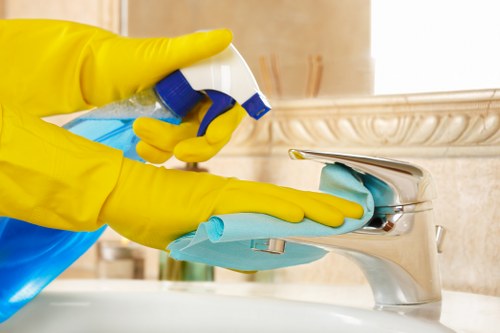
 All cleaning chemicals must be used in line with product instructions and stored safely after use. Containers should remain clearly labelled, lids secured, and substances kept separate when required. Never mix products unless the instructions specifically allow it. Personal protective equipment, such as gloves or eye protection, should be worn when needed. Safe chemical handling is essential to prevent skin irritation, breathing problems, and accidental exposure.
Manual handling is another important part of health and safety for cleaners. Lifting heavy bins, carrying equipment, and moving items for access can cause strain or injury if done badly. Staff should assess the load first, use proper posture, and ask for help when something is too heavy or awkward. Where possible, trolleys or other aids should be used to reduce physical effort and improve control.
Equipment safety is equally important. Vacuums, scrubbers, mops, cords, and extension leads must be checked before use. Damaged tools should not be used and must be reported straight away. Electrical equipment should never be handled with wet hands or used in unsafe conditions. Cleaners should also keep work areas tidy, avoid trailing cables where possible, and make sure the space remains safe for others moving through it.
Slips, trips, and falls are among the most common hazards in cleaning work. To reduce these risks, warning signs should be used when floors are wet, spills should be cleaned quickly, and walkways should be kept free from clutter. Good housekeeping is part of a strong cleaners safety policy. Even simple habits, such as placing equipment neatly and not overfilling buckets, can make a major difference to everyday safety.
Hygiene rules protect both workers and the people who use the premises. Cleaners should wash hands after handling waste, chemicals, or potentially contaminated surfaces, and before eating or drinking. If gloves are used, they should be removed properly and disposed of or cleaned as appropriate. Any cuts or skin irritation should be covered and monitored. Personal hygiene supports safer working and helps prevent the spread of germs.
Accidents, near misses, and unsafe conditions must be reported promptly so action can be taken. This includes broken equipment, missing warning signs, blocked exits, exposed hazards, or any incident that could have caused harm. Reporting helps improve working practices and reduces the chance of repeat problems. A reliable cleaning safety policy depends on honest communication and quick follow-up.
 Staff should receive appropriate training before carrying out cleaning duties independently. Training should cover safe use of equipment, chemical awareness, manual handling, emergency response, and what to do if a hazard is discovered. Refresher training may be needed when methods change or new products are introduced. Supervision should be provided where necessary, especially for new or less experienced cleaners.
Emergency procedures must be understood by everyone on site. Cleaners should know how to respond to fire alarms, accidents, spills, and incidents involving exposure to chemicals or sharp objects. First aid arrangements should be known in advance, and work should stop if conditions become dangerous. Preparedness helps ensure that small problems do not become serious events.
 Supervisors and managers are responsible for reviewing this policy regularly and making sure it remains effective. Changes in work methods, equipment, or risks should be reflected in updated procedures. Cleaners also have a duty to follow instructions, use safe systems of work, and help create a culture where safety matters. By keeping standards consistent, the service remains professional, efficient, and respectful of everyone involved.